The 3-5-7 Rule in Investing: What You Need to Know
Corgage Team · · 1 min read
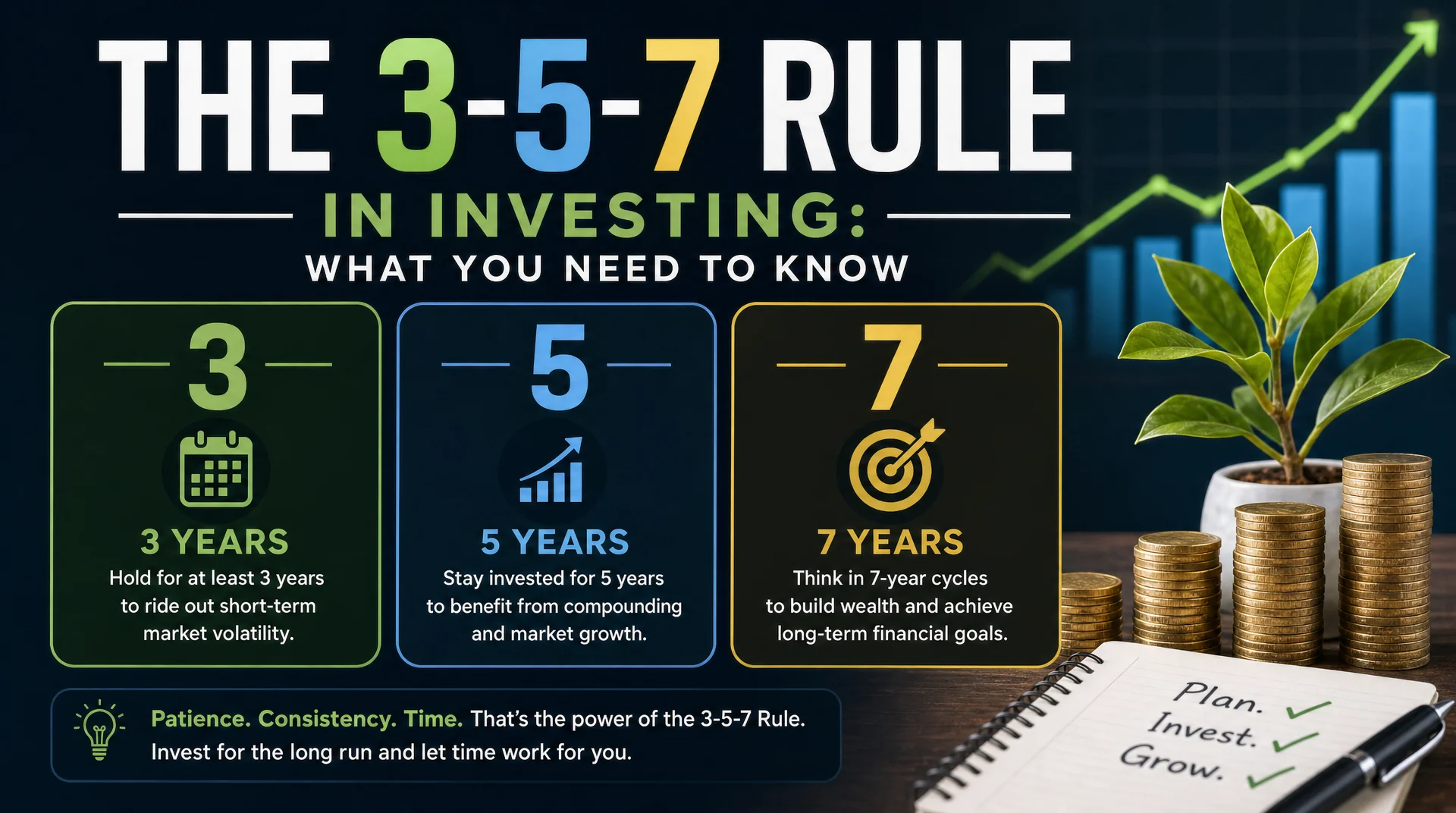
The 3-5-7 rule is a portfolio-management guideline designed to control investment risk. It generally suggests limiting a single investment to about 3% of your portfolio, keeping exposure to a sector or asset category near 5%, and reviewing or selling a position after a loss of roughly 7%. The exact definitions vary, so the rule is not a universal investing standard. A fixed 7% stop-loss may cause unnecessary selling during normal market volatility. Investors should also consider their goals, time horizon, diversification, taxes, and risk tolerance.
Corgage helps you turn your raw data files into clear, plain-English analysis in minutes, so you can see exactly how each position fits your portfolio before you act. It helps you track balances, spot trends, and model what-if scenarios across your investments without needing to learn spreadsheet formulas or hire an analyst.
the 3-5-7 ruleinvestingportfolio managementrisk managementpersonal financeinvestment basics
Run this analysis on your own data
Upload a CSV, Excel, or JSON file and Corgage profiles it, charts it and explains what changed. Start with free AI CSV analysis, see how Corgage works or compare plans and credits.
Start your free trialRelated data analysis guides
- How to Evaluate Stocks Like an Investment Analyst
A step-by-step framework covering business model, financials, management quality, scenarios, valuation, and risk — so you can evaluate a stock the way an analyst does.
- Investment Analysis Tools and Software You Should Know
From Bloomberg Terminal and Excel to Python and SEC EDGAR, here are the investment analysis tools every analyst should know, and where beginners should start.
- How to Write Investment Research That Gets Results
Great investment research starts with a clear recommendation and thesis, supports every claim with evidence, and presents bear, base, and bull scenarios. Here is how to write research that drives better decisions.